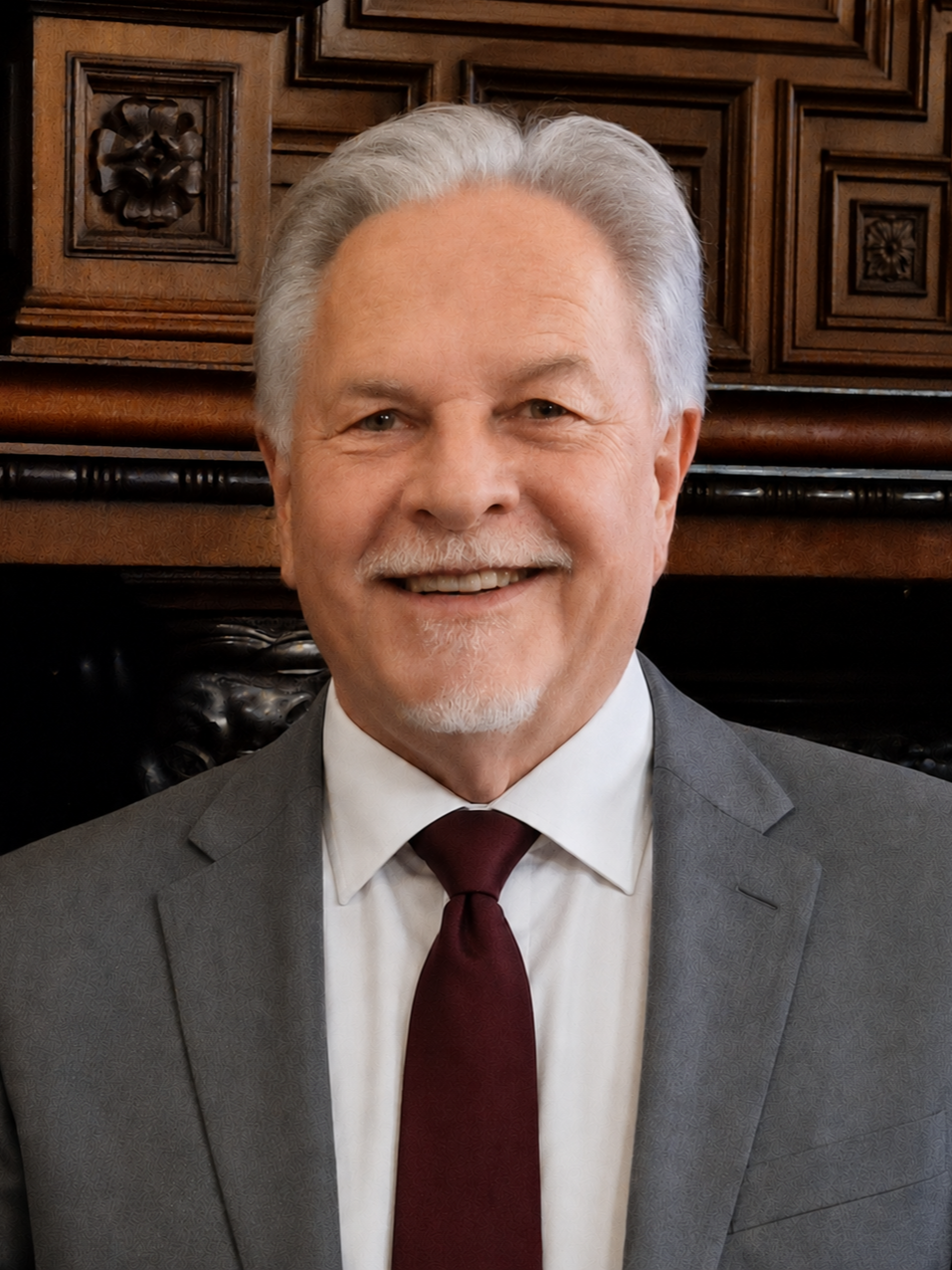
From the Director
Acute cardiac events, such as acute myocardial infarction (AMI) and coronary artery bypass graft surgery (CABGS), trigger an emotional response for most patients. This emotional response is known as the Cardiac Blues.
Common symptoms of the Cardiac Blues include: loss of interest in usual activities; withdrawal from others; getting tearful and crying easily; being ‘short tempered’; sleep problems; change in appetite; change in sex drive; confusion and forgetfulness; inability to concentrate; bad dreams and nightmares; worry about another heart event; and thoughts about death.
For most people these worries and problems resolve in the first few months after the cardiac event. However, one in five people go on to develop depression. Our research shows that a history of depression or anxiety, social isolation and financial stress are all risk factors for developing depression after a cardiac event.
We know that heart disease confers an increased risk of mental health problems, including anxiety and depression. However, what is less commonly known is that anxiety and depression are risk factors for the development and progression of heart disease. At the Australian Centre for Heart Health we hope to improve awareness of the importance of assessing and treating anxiety and depression in cardiac patients to prevent further events.
Our Cardiac Counselling Clinic provides specialist psychological support for those experiencing Cardiac Blues, anxiety and depression after a cardiac event. For more information on how we can help your patients, please call us on 03 9326 8544.
Update on the Cardiac Psychology Clinic
Over 500 of Australia’s cardiac patients have now completed psychological counselling through the Cardiac Psychology Clinic. The Clinic, which is jointly badged by the ACHH and NeuroCentrix, has been running since 2000. The team of registered psychologists, who have undertaken specialised training in cardiac conditions and cardiac-related mental health issues, use evidence-based therapies and incorporate a trauma-focused approach.
There are currently 30 cardiac patients being seen in the Clinic, with a further 14 to be seen in the coming weeks. It is great to see that the Clinic is attracting many more male clients than are usually seen in counselling services. Importantly, we work collaboratively with GPs and cardiologists across Australia, most notably in South Australia and Queensland.
2026 Scientific Meetings: ACRA & EHPS
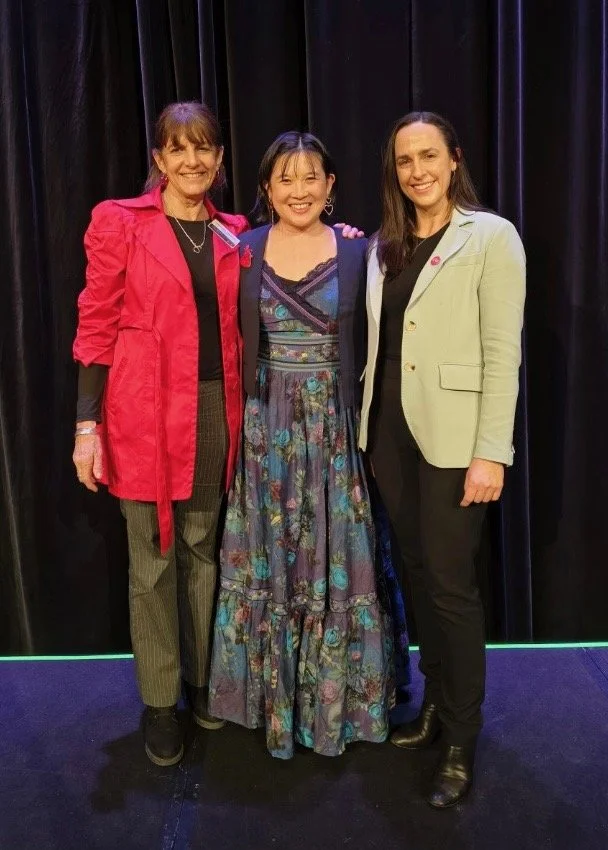
The 35th Annual Scientific Meeting of the Australian Cardiovascular Health and Rehabilitation Association (ACRA), held from 2–4 August 2026 at the Sydney Masonic Centre, brought together clinicians, researchers, and program leaders from across Australia for three days of rich scientific exchange. The program featured national and international keynote speakers and included the prestigious Alan Goble Oration - presented this year by Professor Nicole Freene - honouring Dr Alan Goble, our Centre’s founding cardiologist and a pioneer of cardiac rehabilitation in Australia.
ACHH staff contributed prominently throughout the meeting, showcasing our leadership in cardiac rehabilitation, psychosocial care, and patient centred innovation.
Ms Sarah Clarke, ACHH PhD student, presented her research on Illness uncertainty and fear after spontaneous coronary artery dissection (SCAD). Her work identified factors that heighten fear of recurrence and highlighted illness uncertainty as a critical target for post-SCAD support.
Sarah’s conference attendance was supported by a SolveCHD scholarship that covered her registration costs.
Professor Alun Jackson delivered a session on Classifying subtypes of cardiac distress: Implications for tailored intervention, presenting new latent class analysis results on the prevalence and predictors of cardiac distress. The results highlighted that one in four patients require comprehensive psychosocial intervention, while a further one in three benefit from targeted support focused on cognitive and physical challenges. The presentation significantly advanced national discussion on the Cardiac Distress Inventory (CDI) – which we developed and published in 2022 - as an essential assessment tool for both research and clinical practice. A/Prof Barbara Murphy presented research on Identifying psychological vulnerabilities and protective factors in recovery after spontaneous coronary artery dissection (SCAD). The findings of this study help us identify key ways of supporting patients, as explained in our Research Update on page 4. Together, these presentations underscored ACHH’s ongoing impact on the cardiovascular rehabilitation landscape.
As in previous years, our Centre proudly sponsored the ACRA Clinical and Research Prize sessions. PhD student, Ms Lee Liao, presented her work on Adherence to the Keto Diet in Heart Failure in the Research Prize session.
Ms Sarah Clarke also presented at the 40th European Health Psychology Society Conference, held in Cyprus from 1-4 September. Sarah presented the newest of the Centre’s clinical measures - the Fear of Cardiac Recurrence and Progression Inventory (FCRPI) - to an international audience for the first time. This represents the culmination of her incredibly successful PhD work at the Centre.
Sarah's PhD work has resulted in six publications in prestigious medical journals. Sarah is grateful for all the support she has received during her PhD research.
Empowering Clinicians, Supporting Patients: ACHH’s Four Day Training Program
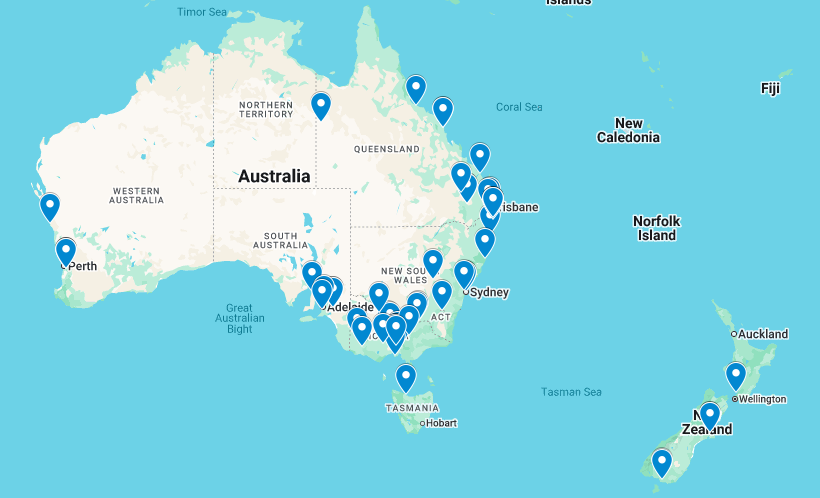
The ACHH delivered its comprehensive cardiac rehabilitation (CR) health professional training program online over four days in May 2026, bringing together clinicians from across Australia and beyond for an intensive and highly interactive learning experience.
The program covered core components of cardiac rehabilitation, including post cardiac mental health and highlighted the importance of patient centred communication, with sessions led by the ACHH team and invited experts from across Australia. This year’s program was refreshed to incorporate the latest evidence-based guidelines and international consensus statements on cardiac rehabilitation and mental health, ensuring clinicians received the most up-to-date training available. All speakers were experts in their field, with representation from cardiology and cardiac surgery, nursing and general practice, physiotherapy and exercise physiology, psychology and mental health, dietetics and digital health.
Attendees included cardiac nurses, physiotherapists, exercise physiologists and physicians working in cardiac rehabilitation, some attending from New Zealand and beyond. The online format enabled attendance from regional and rural practitioners, consistent with the Centre’s focus on improving equity in cardiovascular care.
Participants engaged in case based discussions, skills workshops, and evidence informed updates designed to strengthen capability and confidence in supporting cardiac patients through recovery.
Feedback was overwhelmingly positive, highlighting the program’s practical focus, strong facilitation, and the value of ACHH’s leadership in psychosocially informed cardiac care. Participants praised the program’s smooth, engaging online format and valued the clear, practical insights shared by presenters. They reported that the training strengthened their confidence, offered fresh ideas for improving cardiac rehabilitation, and provided useful guidance they could apply immediately in everyday practice.
Thanks very much to JT Production Management for hosting this event and to all the wonderful speakers and participants who made the 2026 training course such a success.
Details about our training programs are available on our website.
Research & Publications Update
The Centre continues its excellent track record of publishing its research in high impact journals.
A deeper dive into the experience of survivors of SCAD resulted in the publication earlier this month of our paper: "Psychological recovery after SCAD: Identifying protective and vulnerability factors using cluster analysis", in the European Journal of Cardiovascular Nursing.
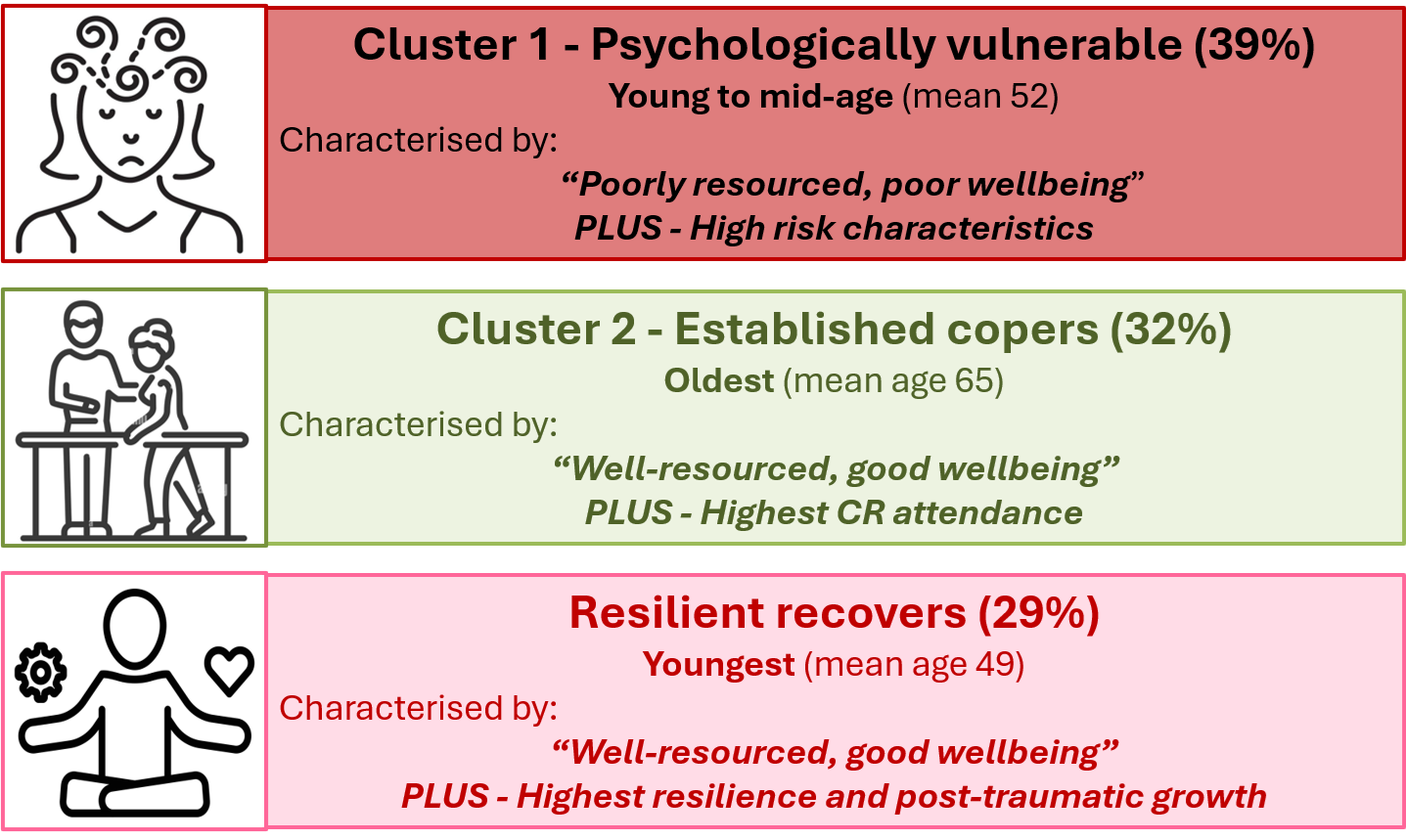
This study showed that younger SCAD survivors can achieve excellent psychological outcomes when social support, resilience, and patient engagement are strong. This novel finding challenges the established assumption of inevitable vulnerability in younger patients. Indeed, these factors appear to shape recovery more strongly than age alone. This research points to targets for cardiac rehabilitation, including strengthening survivor engagement, facilitating social support, building resilience, and referring survivors for psychosocial care when needed. The figure at right shows the key clusters of SCAD survivors identified in the study.
International Research Impacts
The work of the Centre continues to receive international recognition in the broader cardiovascular world. The European Society of Cardiology has included our recently developed Cardiac Distress Inventory in two of its just-released clinical guidelines.
Cardiac Distress is a broad concept that includes 8 key domains (see at right). These include a range of challenges that heart patients find difficult to manage after their cardiac event. We developed the Cardiac Distress Inventory (CDI) so that clinicians and researchers can measure patients’ level of distress, in order to tailor services and supports to the specific needs of cardiac patients.
The European Society of Cardiology includes the screening version of the CDI in its 2026 cardiac rehabilitation guidelines and the comprehensive assessment version in its 2025 mental health guidelines.
The Centre is proud of this international recognition of its work, reflecting our mission to improve the lives of people living with heart disease, in this case, by understanding the impact of cardiac distress and developing interventions to reduce that distress.